Frame Ornamental: A Designer’s Real-World Embroidery Review
First Impressions: Graceful, Not Fussy — But Does It Stitch Cleanly?
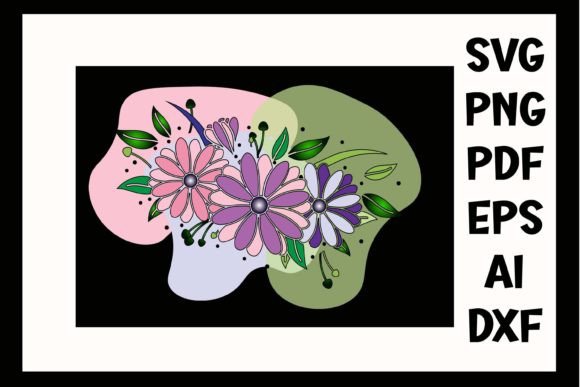
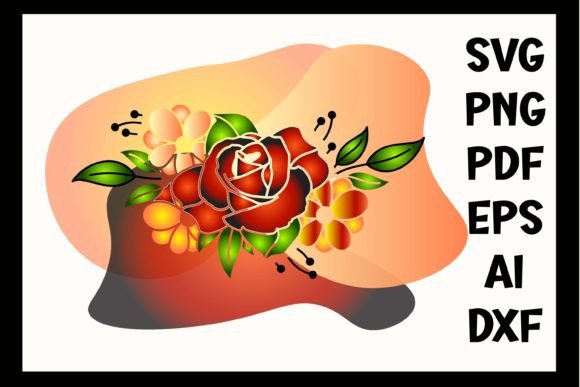
When I opened Frame Ornamental for the first time, I didn’t see “just another border.” I saw a quiet confidence in its symmetry — balanced floral motifs framing an open center, soft curves instead of sharp angles, and rhythmic spacing that suggests intention, not automation. It reads as ornamental, yes — but also usable. Not overly dense, not aggressively decorative. That’s rare. Most frame designs either vanish into background noise or overwhelm the fabric with fussy detail. Frame Ornamental lands right in the sweet spot: elegant enough for a wedding invitation border, grounded enough for a boutique tea towel.
A Real Project Test: Embroidering It on a Linen Kitchen Towel
I used Frame Ornamental to finish a custom linen kitchen towel for a local café’s holiday gift set. Why this design? Because it wraps neatly around the towel’s hem without pulling or puckering — and because its open center left room for a small, hand-stitched monogram (a client request). The result? Customers paused. They ran fingers over the satin-stitched petals, noticed how the fill stitch held texture without stiffness, and commented on how “thoughtful” it felt — not mass-produced. That’s the quiet power of a well-balanced frame: it elevates the entire finished product, not just the embroidery.
Where It Shines — And Where It Needs Careful Handling
Frame Ornamental excels in projects where presence matters more than flash:
- Custom apparel: Works beautifully on sweatshirt cuffs, tote bag hems, and apron pockets — especially when paired with subtle thread colors (heather gray, oatmeal, deep sage).
- Baby and nursery items: Its gentle rhythm reads as soothing, not busy — ideal for crib bumper accents, onesie hems, or pillow covers. Avoid ultra-dense stitching here; let the design breathe.
- Holiday and wedding gifts: Perfect for framing embroidered names on ornaments, napkin corners, or linen sachets. Feels personal, not generic.
- Etsy and small shop merchandise: Stands out in mockups — clean lines translate well to digital previews, and the “frame” concept is instantly recognizable across listings.
But — and this is critical — Frame Ornamental isn’t foolproof. On stretchy knits (like baby onesies or lightweight tees), the outer curves can distort if stabilizer isn’t layered thoughtfully. On dark fabrics, check how the inner motif details hold up — some floral elements may soften unless thread contrast is intentional. And on curved surfaces like caps? Reconsider placement: the top curve works, but the bottom edge may warp. Always test on scrap fabric first — especially with textured weaves like burlap or heavy canvas, where stitch definition can blur.
Design Integrity Meets Commercial Reality
As a designer who sells digital embroidery files and runs a small craft business, I judge Frame Ornamental not just by aesthetics, but by how it impacts trust and value. When customers see this frame on a handmade product, they read “care,” not “clip art.” That perception directly supports pricing — you’re not selling stitches; you’re selling considered craftsmanship. For Etsy sellers, that translates to better conversion and fewer “Is this really handmade?” questions. For apparel decorators, it adds polish to simple garments without requiring complex digitizing.
That said, don’t assume it’s license-free for resale. Since Frame Ornamental falls under Graphics in the Crafts category, verify usage rights before bundling it into digital product packs or printing it as part of a branded collection. Commercial embroidery projects demand clarity on permissions — skip that step, and you risk takedowns or customer disputes.
Practical Notes Every Embroiderer Should Run Through
Before committing Frame Ornamental to your next project, run these checks:
- Test on scrap fabric — same type, same weight, same stabilizer stack you’ll use on the final piece.
- Review stitch density — does the floral fill feel lush but not muddy? If it looks heavy in preview software, it likely will in thread too.
- Confirm hoop size compatibility — this is a frame design, so it may span larger hoops. Don’t guess — measure.
- Inspect small details — are petal tips crisp? Do inner stems resolve cleanly at low scale? Zoom in.
- Try black-and-white mockups — helps spot contrast issues before thread is loaded.
- Compare light vs. dark backgrounds — some motifs recede on black; others pop. Know which version your project needs.
- Use proper stabilizer — cutaway for knits, tear-away for stable wovens, and always match weight to fabric.
- Verify dual-use suitability — does it work equally well for personal keepsakes and commercial products? If not, adjust your workflow accordingly.
Final Thought: Not Just a Frame — A Design Anchor
Frame Ornamental isn’t about filling space. It’s about defining it — with grace, restraint, and quiet authority. It doesn’t shout. It invites closer looking. That makes it unusually versatile: equally at home on a rustic apron sold at a craft fair and a luxe pillow cover featured in a boutique’s holiday edit. For designers, sellers, and makers who care how their work feels in someone’s hands — not just how it looks online — this is one of those rare machine embroidery designs that earns its place, stitch by thoughtful stitch.