Unique Floral 3: A Designer’s Real-World Embroidery Review
First Impressions: Graceful, Not Overworked
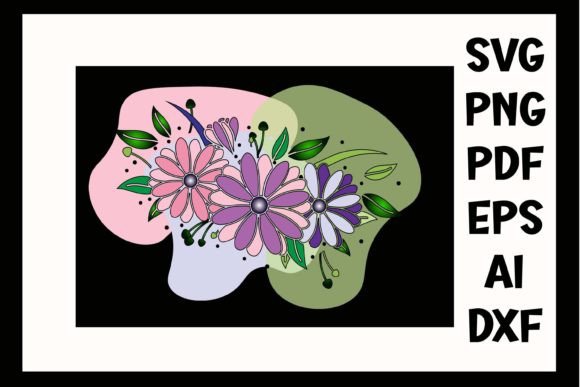
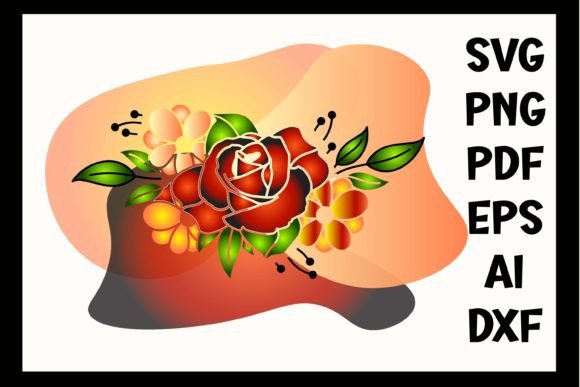
When I opened Unique Floral 3, I wasn’t met with aggressive density or fussy symmetry — instead, a balanced, slightly asymmetrical floral motif emerged: soft curves, open negative space, and layered petal forms that breathe. It doesn’t scream “busy” — it invites pause. As a designer who’s stitched hundreds of floral motifs for boutique clients and Etsy sellers, I immediately sensed its versatility: this isn’t just another filler graphic. It feels intentional — like something you’d choose for a handmade baby blanket, not a mass-produced iron-on.
A Real Project Test: Embroidering a Linen Tote Bag
Last week, I used Unique Floral 3 on a natural linen tote for a local artisan pop-up. Why linen? Because it’s unforgiving — loose weave, minimal stretch, and zero tolerance for sloppy stitch density. I hooped it with medium-weight cutaway stabilizer, chose matte cotton thread in sage and cream, and ran the design at 75% speed. The result? Clean satin-stitched petals held shape without puckering; delicate stem lines stayed crisp using a fine running stitch; and the fill areas — subtle, low-density — didn’t overwhelm the fabric’s texture. Customers paused to touch it. That’s the quiet confidence Unique Floral 3 brings to a finished product.
Where It Shines (and Where It Needs Thought)
Unique Floral 3 performs especially well in these real-world embroidery contexts:
- Custom apparel: On midweight cotton sweatshirts and structured t-shirts, its open layout avoids stiffness — no crunchy patches or thread buildup near seams.
- Baby embroidery: Gentle scale and rounded edges make it ideal for onesies and burp cloths — no sharp corners or tiny details that snag or fray.
- Patches & applique designs: The outer edge is cleanly defined — easy to trim and fuse. Works beautifully as an embroidered patch on denim jackets or canvas backpacks.
- Holiday and wedding gifts: Its timeless botanical feel reads as thoughtful, not trendy — perfect for monogrammed tea towels, pillow covers, or framed nursery art.
- Craft business assets: As a digital embroidery file, it scales cleanly across product mockups — from sticker sheets to printable packaging labels — reinforcing brand cohesion without needing redesign.
Use With Care: Practical Fabric & Fit Notes
This isn’t a one-size-fits-all embroidery file. Here’s where I slow down and double-check before stitching:
- Small hoop sizes: The full motif fits comfortably in a 4x4 hoop, but tighter compositions (like centering it on a cap front) may require cropping or simplifying outer elements. Always preview the outline first.
- Textured or dark fabrics: On burlap or heavy twill, I reduce fill stitch density slightly and add a tear-away topper. On black fabric, I test thread contrast — some lighter pastels get lost without a white underlay.
- Stretchy or thin fabrics: For baby knits or lightweight rayon, I switch to a lightweight fusible + tear-away combo and avoid dense satin borders on curved edges.
- Curved surfaces: Caps and mugs (via vinyl transfer prep) work best when I mirror or simplify the lower third — natural flow matters more than literal fidelity.
- Frequent-wash items: Towels and aprons benefit from slightly heavier thread (40wt instead of 50wt) and reinforced start/stop points — Unique Floral 3’s clean structure makes those adjustments easy.
What It Adds to Your Finished Product — Beyond Stitching
As someone who consults with Etsy sellers and small shop owners, I notice how Unique Floral 3 quietly lifts perceived value. It doesn’t shout — it reassures. Customers see craftsmanship, not clipart. That translates directly to higher trust in your handmade product, stronger repeat orders, and better photo appeal for social listings. On a personalized gift, it feels considered — like you chose it *for them*, not just *for speed*. And for craft businesses building a recognizable aesthetic, its consistent line weight and organic rhythm help unify collections — think matching kitchen towels, napkins, and aprons all anchored by the same floral language.
Designer-to-Designer Notes Before You Stitch
Before sending Unique Floral 3 to your machine or listing it in your shop:
- Test on scrap fabric — especially if pairing with textured or dark materials.
- Check thread color contrast in both light and dark mockups — don’t assume screen colors match thread reality.
- Review stitch density: look for tight clusters in petal overlaps — adjust if needed for your fabric type.
- Confirm hoop size compatibility — verify your machine’s max dimensions against the design’s bounding box.
- Inspect small details: are stem tips or leaf veins clear at actual stitch scale? Zoom in on your embroidery software.
- Try a black-and-white printout — helps spot visual imbalance or unintended heaviness.
- Use proper stabilizer — medium cutaway for stable fabrics, lightweight fusible + tear-away for knits.
- Verify licensing: since Unique Floral 3 is listed under Graphics and Crafts, confirm whether commercial use (e.g., selling embroidered totes or digital embroidery files) is permitted before scaling production.
Final Thought: A Quietly Confident Design Choice
Unique Floral 3 won’t dominate your portfolio — and that’s its strength. It’s the kind of machine embroidery design that supports your voice instead of competing with it. Whether you’re stitching a single custom apron for a chef friend or prepping 50 embroidered patches for your Etsy launch, it delivers clarity, calm, and craft integrity. In a market flooded with overdesigned graphics, this one earns its place — not because it’s flashy, but because it works, thoughtfully, every time.