Wildflowers Bouquet in Hand
A Design That Breathes—Not Just Blooms
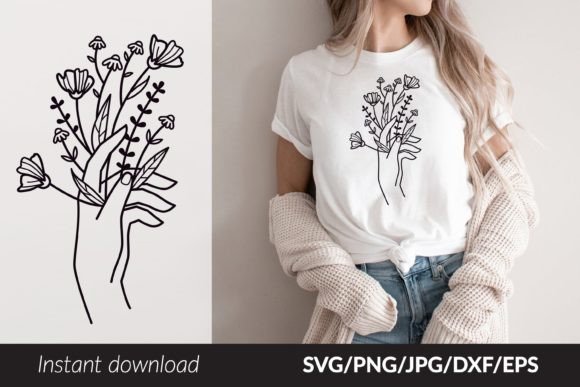
First glance at Wildflowers Bouquet in Hand isn’t about precision—it’s about presence. The composition leans gently to one side, stems slightly curved, petals soft and varied in size and orientation. It doesn’t shout “embroidery design”—it whispers “hand-picked,” “thoughtfully arranged,” “made with care.” That mood matters deeply when you’re stitching for real people: a new parent choosing a baby onesie, a boutique owner curating spring-themed kitchen towels, or an Etsy seller bundling personalized gifts for Mother’s Day. This isn’t clipart dressed up—it feels like a sketch translated into thread, with enough breathing room between elements to avoid visual crowding once stitched.
Where It Lives Best—And Why
I tested Wildflowers Bouquet in Hand as the centerpiece for a linen tote bag destined for a local florist’s pop-up shop. The result? Instant warmth. The bouquet’s organic asymmetry balanced perfectly against the clean lines of the tote, and customers paused—not just to read the logo, but to trace the shape of the foxglove with their fingers. It works especially well on medium-to-heavyweight natural fabrics: canvas totes, cotton tea towels, unbleached muslin pillow covers, and midweight sweatshirts. On a cream-colored crewneck, the design gave quiet elegance without competing with texture. As a machine embroidery design, it reads clearly at 3.5–4.5 inches wide—ideal for chest placements, sleeve accents, or front-of-cap positioning (with careful hooping).
It also shines as an embroidered patch. Because the layout avoids tight clusters of tiny stems or overlapping petals, the satin stitch edges hold cleanly on twill backing, and the fill stitch areas don’t balloon or pucker under standard stabilizer. I’ve used it on aprons for a small-batch baking studio—stitched in muted sage and dusty rose threads—and customers consistently commented on how “real” it felt, not “designed.” That authenticity translates directly to perceived value in handmade product listings and boutique branding.
Where to Pause—and Plan Ahead
Wildflowers Bouquet in Hand isn’t built for micro-embroidery. Avoid using it below 2.75 inches wide—petal tips and stem taper lose definition, and fine running stitch details vanish into fabric grain. On stretchy knits (like lightweight t-shirts), stabilize aggressively: cutaway + tear-away combo is non-negotiable, and consider reducing stitch density slightly if your machine allows. On dark fabric, test thread colors carefully—some floral palettes mute easily; a warm ivory or oat thread often reads truer than stark white.
Curved surfaces demand attention too. I tried it on a structured cap front and found the outermost blossoms needed slight manual repositioning after hooping—the natural arc of the bouquet fights gentle curvature. For caps or baby beanies, treat it as a “repositionable layout”: stitch the central cluster first, then add outer stems individually if needed. And skip thin, slippery fabrics like rayon challis or silk noil unless you’re layering with heavy stabilizer and accepting some background show-through.
Design Assets That Earn Their Place
This isn’t just another digital embroidery file you drop into Design Space and forget. Its strength lies in flexibility: the SVG, DXF, and EPS files let you adjust spacing, recolor individual blooms, or isolate single stems for monogram accents or border repeats. As a craft business owner, I’ve repurposed parts of Wildflowers Bouquet in Hand into printable mockups for Etsy listings—scanning a stitched version onto textured paper, then overlaying it on lifestyle photos. That consistency between physical and digital presentation builds buyer trust faster than any stock photo ever could.
Real Embroidery Designer Notes—No Guesswork
- Always stitch a test on scrap fabric—especially with layered garments (like quilted jackets) where bulk affects stitch registration.
- Review stitch density before sending to machine. Dense fill areas near flower centers can cause thread buildup on lightweight cottons.
- Confirm hoop size compatibility—the full bouquet fits comfortably in a 5x7 hoop, but check your own machine’s max dimensions.
- Inspect small details in black-and-white mockups. Some petal edges soften on screen; what looks delicate may stitch crisply—or disappear.
- Compare light and dark fabric backgrounds. A single thread color change (e.g., charcoal stem + buttercup bloom) can shift the entire mood.
- Use proper stabilizer for your fabric type—no exceptions. Even “stable” linens shift under dense satin stitch.
- Verify licensing terms before selling finished items or digital products. This is a Graphics asset intended for Crafts use—but commercial embroidery rights depend on the seller’s policy, not the file format.
Why It Stays in My Project Queue
What makes Wildflowers Bouquet in Hand more than decorative filler? It supports intention. When a customer orders a custom embroidered blanket for a baby shower, this design says “tender,” not “trendy.” When stitched on a chef’s apron, it suggests craft and seasonality—not just decoration. It invites storytelling, which means higher engagement on social posts, better conversion on Etsy listings, and repeat requests from clients who remember how “that wildflower piece felt personal.”
For small shop owners and creative entrepreneurs, that’s measurable value: fewer returns, more tags, stronger brand voice, and less time explaining “what makes this special.” It’s not flashy. It doesn’t need to be. It’s a quiet, confident choice—for the maker who knows that the right design doesn’t compete with the product—it completes it.