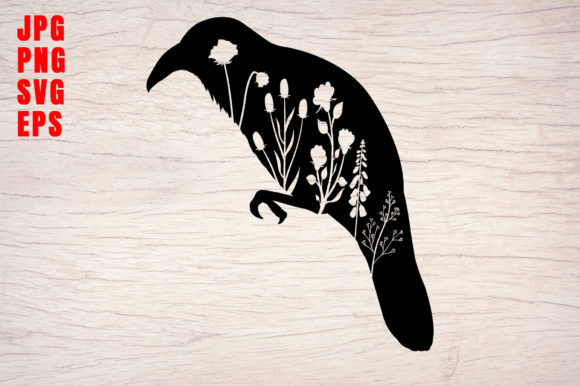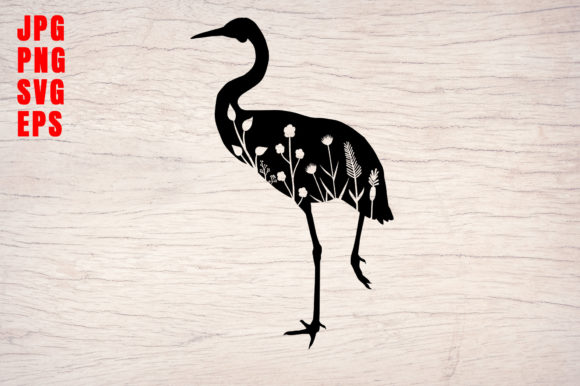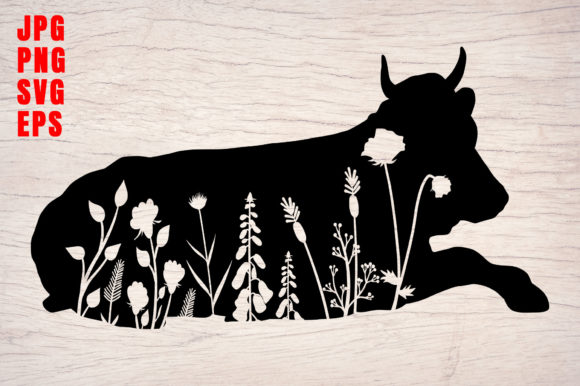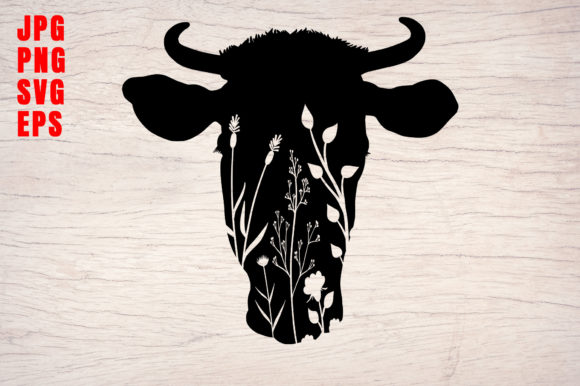
Floral Design 2022
A Designer’s First Look: Delicate, Not Fussy
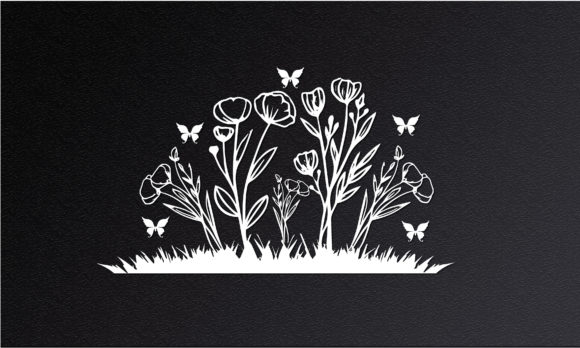
When I opened Floral Design 2022 for the first time, what struck me wasn’t complexity—it was quiet intention. This isn’t a maximalist bloom cluster or a dense botanical tangle. It’s a single, balanced floral motif with soft curves, open negative space, and gentle asymmetry—like something sketched in ink before being translated into thread. The layout feels intentional for embroidery: no overlapping stems that would cause nesting issues, no ultra-thin petals that vanish under satin stitch, and just enough line weight to hold shape without overwhelming fabric. As a designer who regularly sources digital embroidery files for client work, I immediately pictured it stitched on a linen tea towel—clean, warm, and quietly confident.
Where It Shines: Real Projects, Real Customers
I tested Floral Design 2022 as the centerpiece for a custom embroidered tote bag—linen-cotton blend, medium-weight, meant for a local boutique’s spring collection. Stitched at ~3.5" wide with matte cotton thread, it read beautifully: crisp where needed (the central bud), airy where it mattered (the trailing vine), and legible even from three feet away. That’s not accidental—it’s evidence of thoughtful vector construction. The design translates well to sweatshirt embroidery when scaled slightly larger and paired with a light stabilizer; it avoids the “blobbed petal” effect common in overly dense fill-stitch florals. On baby onesies? Yes—but only if you reduce size to ~2.25" and confirm your machine handles fine satin stitch on knit fabric. For embroidered patches or apron corners, it holds its personality without competing with functional seams or pockets.
Where to Pause—and Why
This isn’t a one-size-fits-all embroidery file. On textured fabrics like heavy canvas or bouclé, some of the finer vine details softened too much—even with tear-away stabilizer. On stretchy fabric (think lightweight jersey tees), I recommend digitizing a simplified version first or adding strategic running-stitch anchors along curved stems. Dark fabric demands attention to thread contrast: a pale yellow or sage green works better than ivory, which can disappear. And while Floral Design 2022 is SVG-only—not a native embroidery file—you’ll need to convert it carefully. Don’t assume auto-digitizing software will handle the subtle tapering of the stem ends or the slight overlap between leaf and flower base. Those nuances affect stitch density and visual rhythm.
Small Hoop? Small Details? Proceed Thoughtfully
If you’re working with a 4x4 hoop or smaller, scale down mindfully. Below ~2", the inner petal lines start to merge under standard stitch settings—especially on denser fill areas. Tiny lettering isn’t part of this design (a relief), but if you plan to add monogramming nearby, leave breathing room: the floral motif itself occupies visual real estate. Curved surfaces like caps require repositioning and possibly manual stitch-path editing—this SVG doesn’t include built-in cap-optimized contours. Also note: no applique layers are included, so if you want fabric-backed dimension, you’ll need to build those separately.
How It Shapes Perception—Before and After Stitching
For Etsy sellers and small shop owners, Floral Design 2022 elevates perceived value without demanding premium pricing. It reads as handmade, not mass-produced—thanks to its organic flow and absence of rigid symmetry. Customers notice that. In mockups, it performs strongly across light and dark backgrounds, making product photography easier. When used consistently across a line—say, on pillow covers, kitchen towels, and baby blankets—it supports brand cohesion without feeling repetitive. But here’s the quiet truth: its simplicity means it won’t carry weak execution. If your thread tension is off or your stabilizer choice misjudged, flaws show more clearly than in busier designs. That’s not a flaw in the file—it’s a sign it respects your skill level.
Practical Notes Every Embroidery Designer Should Run Through
- Test first—always stitch Floral Design 2022 on scrap fabric matching your final project’s weight and weave.
- Check thread color contrast before stitching full production runs—especially on mid-tone fabrics where saturation shifts unexpectedly.
- Review stitch density in your digitizing software; adjust fill angles or underlay if using on loosely woven textiles.
- Confirm hoop size compatibility—SVG files don’t declare dimensions, so measure the bounding box before scaling.
- Inspect small details at 200% zoom in your vector editor—look for stray anchor points or unintentional overlaps that could distort in stitch-out.
- Test black-and-white mockups to assess silhouette strength—this design relies on shape as much as detail.
- Use proper stabilizer: cutaway for knits, tear-away for stable wovens, and optional topping for napped fabrics.
- Verify licensing before selling finished items or bundling Floral Design 2022 into digital product kits—this is a Graphics asset, not pre-cleared commercial embroidery content.
Final Thought: A Quiet Workhorse, Not a Showstopper
Floral Design 2022 won’t dominate a holiday embroidery catalog or go viral as a standalone trend. But it’s the kind of design that earns repeat orders from craft businesses because it stitches cleanly, photographs honestly, and fits naturally into real life—whether that’s a personalized gift for a new parent, a boutique’s seasonal apron line, or a small shop’s signature tote bag. It belongs in your working library, not just your inspiration folder. Just remember: an SVG is a starting point, not a finish line. Respect its structure, test its behavior on your materials, and let its quiet clarity do the rest.