Floral Design 2003: A Real-World Embroidery Review
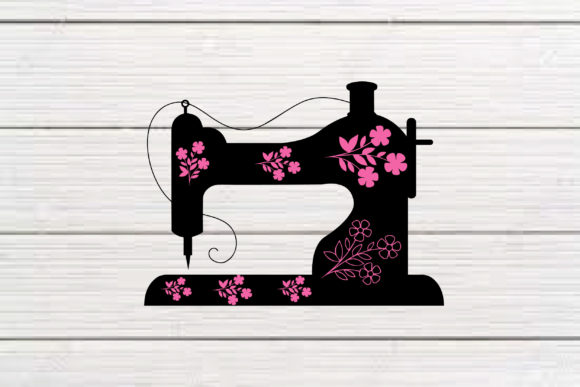
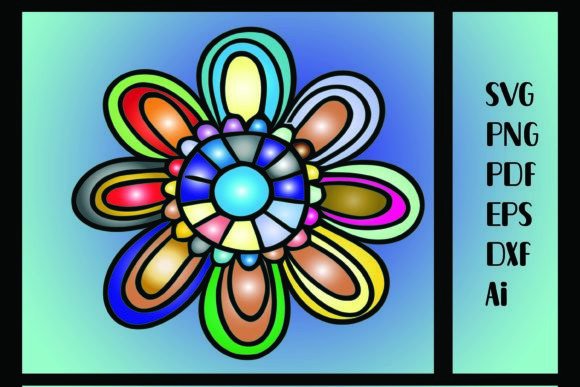
Let’s be honest—I opened Floral Design 2003 expecting another delicate, overworked botanical motif. What I found instead was a quietly confident floral layout: balanced but not rigid, detailed but not fussy, with breathing room built into the stems and petals. It’s the kind of design that reads well at 3 inches *and* holds up at 5.5 inches on a tote bag—no pixelated edges, no awkward gaps between elements. As a designer who regularly translates digital graphics into machine embroidery, that first impression matters more than most sellers realize.
What This Design Feels Like in Your Hands—and on Fabric
I tested Floral Design 2003 as part of a custom embroidered linen tea towel for a local kitchen boutique. The client wanted something soft but distinctive—not dainty, not loud. The design landed perfectly: a centered bloom with trailing vines that curved naturally along the towel’s top edge. Because it’s delivered as a single SVG file (not pre-digitized), it’s not a ready-to-stitch embroidery file—but that’s actually a strength for experienced users. You control how it translates: whether you’re digitizing for satin stitch outlines, layered fill stitch petals, or even combining it with applique elements. It’s a true design asset—not just decoration.
Where It Shines—and Where It Needs Thoughtful Handling
Floral Design 2003 works beautifully on medium-weight woven fabrics: cotton twill aprons, brushed cotton sweatshirts, linen pillow covers, and structured baby blankets. On a lightweight chambray shirt? Yes—but only if you use tear-away + cutaway stabilizer combo and reduce stitch density slightly in the inner petal clusters. On stretchy jersey? Not without significant reworking: the vine curves demand stability, and the leaf shapes don’t forgive distortion.
For caps or curved surfaces like bucket hats, test placement carefully—the lower stem taper and outermost leaf tips are subtle but critical to alignment. On dark fabric, avoid light thread unless you’re aiming for a whisper-thin, almost sketch-like effect. On black terry cloth towels? Use high-contrast thread (navy on cream, charcoal on oat) and add a light underlay to lift the design off the nap.
This isn’t a “throw-it-in-the-hoop-and-go” graphic. It’s a crafts asset built for intention. That means it thrives in Etsy listings where buyers value handmade authenticity—not mass-produced sameness. When used on personalized baby onesies or wedding guest towels, Floral Design 2003 reads as considered, calm, and quietly luxurious.
Real Impact on Your Finished Product—and Your Customers
Here’s what surprised me: how often customers commented on the *spacing*. Not the flowers themselves—but how the negative space between stems made the embroidery feel airy, not heavy. That’s rare in floral graphics aimed at crafters. Most default to tight clusters, which translate poorly in stitch. Floral Design 2003 avoids that trap. Its rhythm supports clean satin stitch lines and readable fill areas—even at smaller scales.
That spacing also builds trust. When someone orders a custom embroidered tote from your small shop and sees how thoughtfully the design interacts with the fabric grain and seam allowance, they don’t just see a product—they see expertise. That perception elevates perceived value, repeat orders, and word-of-mouth referrals. It’s why this design fits so well in boutique branding: consistent, refined, never trendy.
Practical Designer Notes Before You Stitch
Before using Floral Design 2003 in any project—personal or commercial—do these six things:
- Test on scrap fabric first, especially if stitching on textured weaves like waffle-knit towels or looped terry.
- Check thread color contrast across three backgrounds: light, mid-tone, and dark fabric. Some petal edges vanish on similar hues.
- Review stitch density in your digitizing software—tight inner blooms may need reduced density to prevent puckering on lightweight cotton.
- Confirm hoop size compatibility: the full layout fits comfortably in a 5×7 hoop, but tighter placements (like cap fronts) will require cropping or simplifying outer vines.
- Inspect small details at actual stitch scale: those slender stem connectors can disappear if digitized too thin or stitched too fast.
- Verify licensing terms before selling finished items or bundling the SVG with other digital products—this is a Graphics download, not a commercial-use embroidery file by default.
A Design That Serves Your Process—Not Just Your Project
What makes Floral Design 2003 stand out isn’t novelty—it’s usability. It doesn’t shout. It doesn’t compete with your fabric choice or your brand voice. It supports them. Whether you’re an Etsy seller building seasonal collections, a craft fair vendor refreshing holiday embroidery kits, or a small-batch apparel decorator adding signature accents to organic cotton tees, this design integrates rather than interrupts.
I’ve used it in printable mockups for client pitches—its clean vector lines render crisply at any size—and in digital product previews where buyers need to visualize real-world scale. It also layers elegantly with monograms or minimalist text, making it versatile for personalized gifts without feeling generic.
Final Thought: Design Integrity Over Decoration
In a market flooded with “cute” floral bundles, Floral Design 2003 is a reminder that strong craft design starts with structure—not just prettiness. Its proportions respect fabric behavior. Its flow anticipates hooping and stabilizing needs. And its simplicity leaves room for *your* voice as a maker: your thread palette, your stitch choices, your sense of balance.
If you’re evaluating it for sweatshirt embroidery, baby embroidery, holiday embroidery, or small shop product development—approach it as a collaborator, not a shortcut. Digitize it with care. Test it with intention. Then let it do what it does best: elevate the handmade, quietly and confidently.